

From Pokémon Cards to Digital Art: The Next Phase of NFTs
The first NFT boom asked people to believe in something completely new. That was part of the magic, it was also part of the problem.
A lot of buyers were not just collecting. They were speculating on roadmaps, communities, token rumours, whitelist access and floor prices. When the market turned, many projects had nothing left to stand on.
The next phase looks different. Instead of asking people to understand a brand-new category, NFTs are starting to attach themselves to things people already collect.
Pokémon cards.
Sports trading cards.
Digital art.
Gaming items.
Character brands.
Cultural artefacts.
That may be the real shift, NFTs are moving from being the product to becoming the ownership layer behind the product.
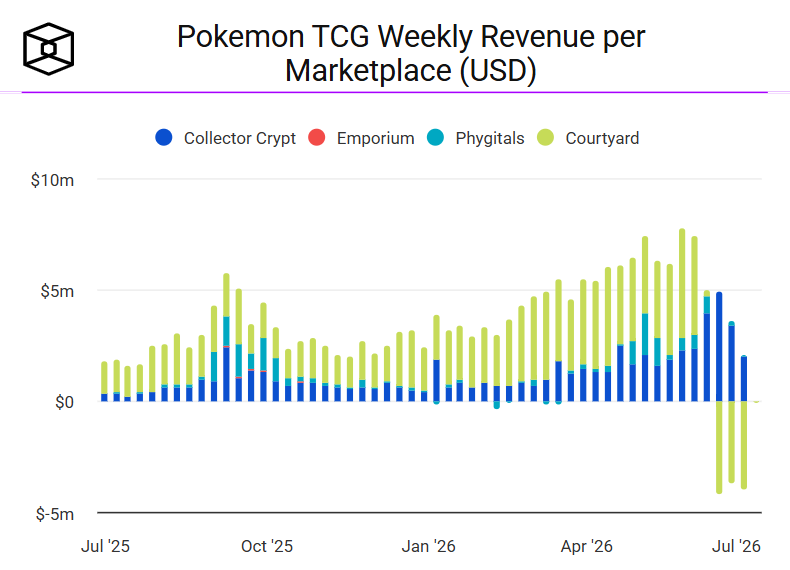
Source: theblock.co Pokemon marketplace sales
Digital collectibles make NFTs easier to understand
For many people, “NFT” became a loaded word. It reminded them of overpriced JPEGs, celebrity hype and projects that vanished as quickly as they appeared, but “digital collectible” is much easier to understand.
People already know what collectibles are. They understand why someone might value a rare Pokémon card, a signed sports card, a limited-edition toy or a culturally important artwork.
The blockchain layer simply adds something new. It can make ownership easier to verify. It can make trading more global. It can create a digital record of provenance. It can allow physical items to be stored in a vault while the ownership token moves online. That does not mean every tokenised collectible will succeed, but it does make the category more relatable than the last cycle of endless profile-picture mints.
The pitch is no longer just: “Buy this NFT.” It is: “Own, trade and verify a collectible in a more digital way.” That is a much better story.
Pokémon and sports cards show the shift
Pokémon cards and sports trading cards are powerful examples because they already have decades of collector behaviour behind them.
People do not need to be convinced that rare cards can be collectible, they already know. The pain points are practical:
Where is the card stored?
Is it authentic?
Has it been graded?
Can it be traded easily?
Can global buyers access it?
Can ownership be transferred without physically shipping the card every time?
Tokenised collectibles try to solve some of those problems. The card can be held in custody, while the ownership record trades digitally. That gives collectors a faster, more online-native way to interact with physical collectibles, it also makes NFTs feel less abstract.
Instead of asking someone to value a random digital image, the NFT can represent ownership of something they already recognise. That is why this part of the market is worth watching, not because it guarantees a new NFT boom, but because it shows how the technology can become more useful when it connects to existing collector demand.
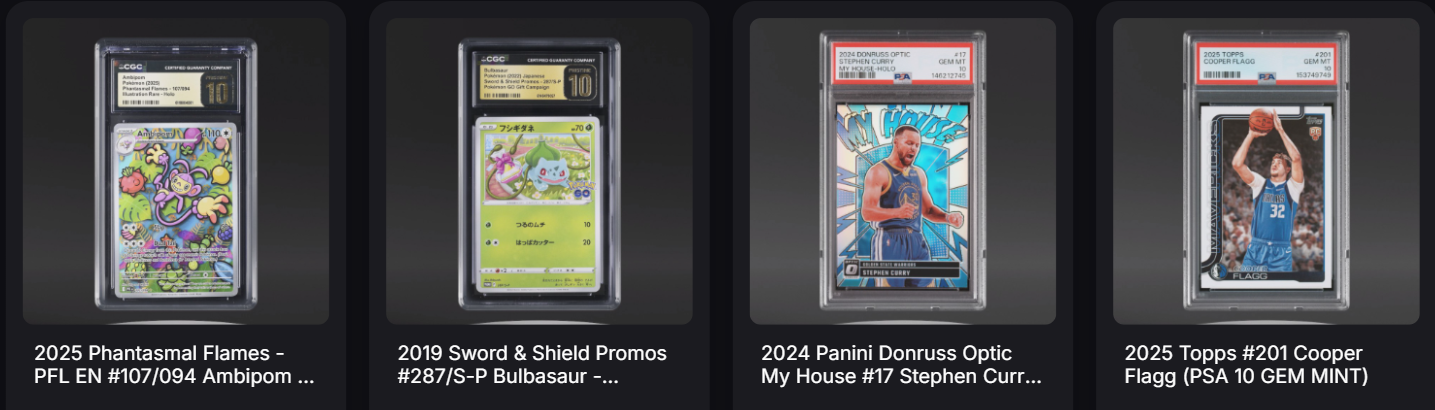
Source: courtyard.io latest sales
The NFT becomes invisible infrastructure
This may be one of the most important shifts. In the first cycle, the NFT was usually the headline.
Now, in some of the more interesting use cases, the NFT may become the thing working quietly in the background. A collector may not care about token standards, they may not care which chain the asset is on, they may not even use the word NFT, they may simply care that they can buy, sell, verify and transfer ownership of a collectible more easily. That is where the technology becomes more practical, the NFT becomes the ownership receipt, the collectible becomes the thing people actually care about.
This is how digital assets become easier for mainstream users to understand. Not through more technical language, but through better experiences. We covered digital collectibles, now lets check on some examples from the PFP and generative/digital art space.
Pudgy Penguins and the character brand playbook
Digital collectibles are one part of the story. The next question is what happens to the projects that began as profile pictures, art platforms and crypto-native creative movements.
Pudgy Penguins is one of the clearest examples of that shift. It started as a profile-picture NFT collection, but the more interesting story is what happened after the first hype cycle cooled.
Pudgy moved into toys, games, retail and character-driven intellectual property. Its toys have appeared in Walmart stores, with QR codes connecting physical products to Pudgy World, a digital experience tied to the brand, that is a very different model from the average NFT project.
Pudgy is not only relying on crypto-native buyers trading floor prices. It is trying to become a recognisable character brand with both physical and digital touchpoints, that is the playbook many NFT projects talked about in 2021, Pudgy is one of the few that actually started executing it.
The lesson is simple, the NFT alone is not enough. The brand, community, product and real-world distribution matters. The digital layer becomes much more powerful when it connects to something people already understand or want. That is why Pudgy is such an interesting case study. It shows how an NFT can sit underneath a broader brand, rather than being the entire product itself.
A Pudgy Penguin is no longer just a profile picture with a floor price. It is part of a wider ecosystem that includes toys, characters, gaming, community and digital ownership, that does not guarantee long-term success, but it does show how some NFT projects are trying to grow beyond crypto-native speculation and into something more familiar.
Source: x.com VanEck profile
Then comes art
If digital collectibles are the most accessible version of NFTs, digital art may be the most culturally important. Art has always been built around scarcity, provenance, reputation and belief.
Who made it?
When was it made?
Who owned it before?
Where has it been displayed?
Why does it matter?
These are questions the traditional art world has asked for centuries. NFTs brought those same questions into digital culture, that is why the art side of NFTs should not be dismissed just because the market crashed. Speculation cooled, the medium survived.
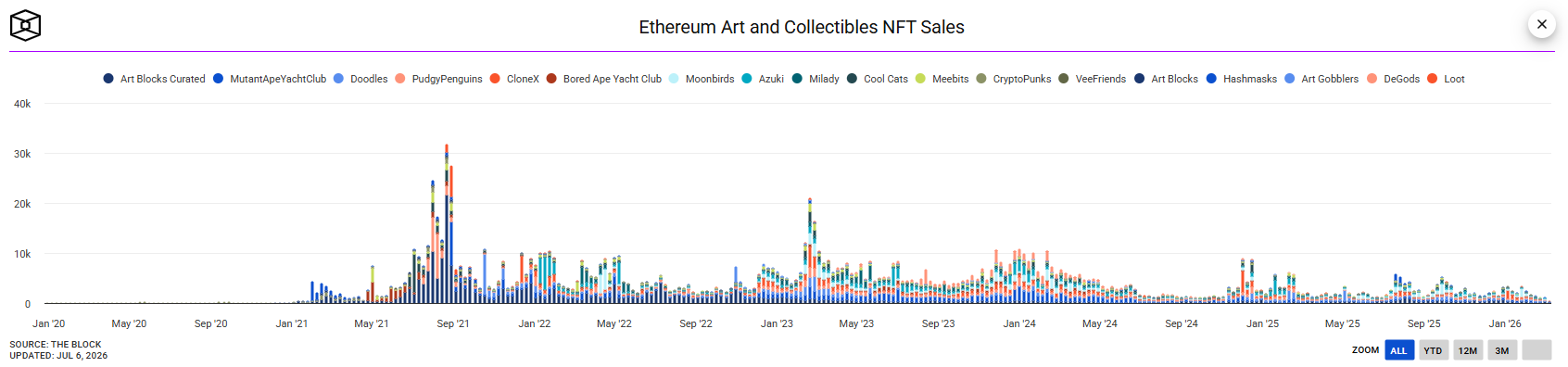
Source: theblock.co eth art and collectable sales
Why digital art still matters
The art NFT market went through the same boom and bust as the rest of the sector.
Some sales were clearly driven by hype. Some buyers treated digital art like a short-term trade. Some artists and collectors were pulled into a market that moved too fast, but beneath the speculation, something important happened. Digital artists gained a new way to sell work directly to collectors, collectors gained a new way to prove ownership of digital art, and the market gained a new way to track provenance, creator history and secondary sales. That does not mean every NFT artwork has long-term cultural value, as most will not, but culturally relevant digital art has a stronger case than many hype-driven NFT projects because art already has a framework for scarcity, reputation and historical importance.
The question is not whether every digital artwork matters, the question is which artists, platforms and movements will still matter years from now. That is where names like XCOPY, Tyler Hobbs and Beeple come in along with launchpads like ArtBlocks.
XCOPY: the language of crypto-native art
XCOPY is one of the clearest examples of art that feels native to crypto. His work is dark, glitchy, chaotic and uncomfortable. It does not try to look like traditional fine art placed on a blockchain. It feels like it came from the internet itself. Every major art movement has its own visual language. Crypto art has one too, and XCOPY helped define it.
His work reflects the emotional pulse of crypto culture, capturing its volatility, anxiety, rebellion, humour, risk, and digital decay.
In a market where many NFT projects tried to look polished and brand-friendly, XCOPY’s work went the other way. It leaned into the weirdness, that is part of why collectors still pay attention.
XCOPY represents the underground side of NFT art. Not corporate. Not cute. Not built for mainstream retail, pure internet-native art.
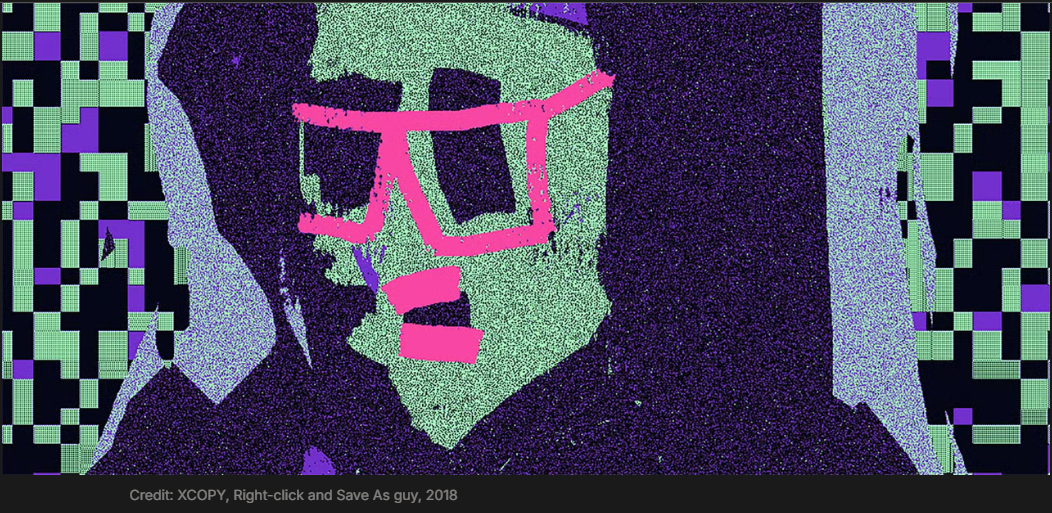
Source: Xcopy- right-click and Save As guy
Art Blocks: when code becomes the canvas
Art Blocks is one of the most important platforms in the NFT art story because it helped bring generative art on-chain. Generative art is created using code. The artist designs the system, sets the rules, and the final output is created through an algorithmic process, that makes it a natural fit for blockchain.
In some cases, the code, minting process and final artwork are all part of the piece. The blockchain is not just a receipt. It becomes part of the creation and ownership system, this is why Art Blocks matters.
It helped show that NFTs were not only about profile pictures or hype-driven collectibles. They could also support a genuinely digital art form, the artist creates the rules, the algorithm creates variation, the collector receives a unique output. That is not just a digital version of traditional art. It is a medium that could only exist through software.
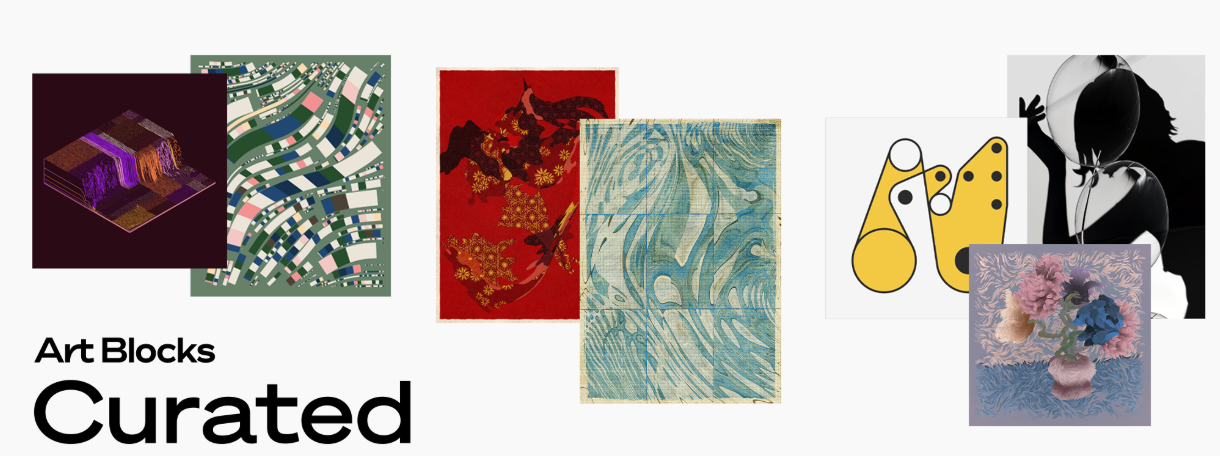
Source: artblocks.io
Tyler Hobbs: the generative art breakout
Tyler Hobbs is one of the best examples of generative art crossing from crypto culture into the wider art world.
His collection Fidenza became one of the defining generative art projects of the NFT era. The work is recognisable, structured and deeply tied to the relationship between code, randomness and human taste.
What makes Hobbs' work so compelling is that it never feels like a gimmick. Rather than being a case of "AI made a picture" or "the computer did everything," his practice is a genuine collaboration between artist and system. The artist defines the rules, the code generates variation, and the collector ultimately receives a unique output. This makes generative art one of the clearest examples of a truly digital-native medium, one that isn't trying to imitate painting, but instead embraces possibilities that only software can create.
That is why Hobbs belongs in the longer-term NFT conversation, not because of floor prices but because the work helped prove that code itself can be a serious artistic tool.
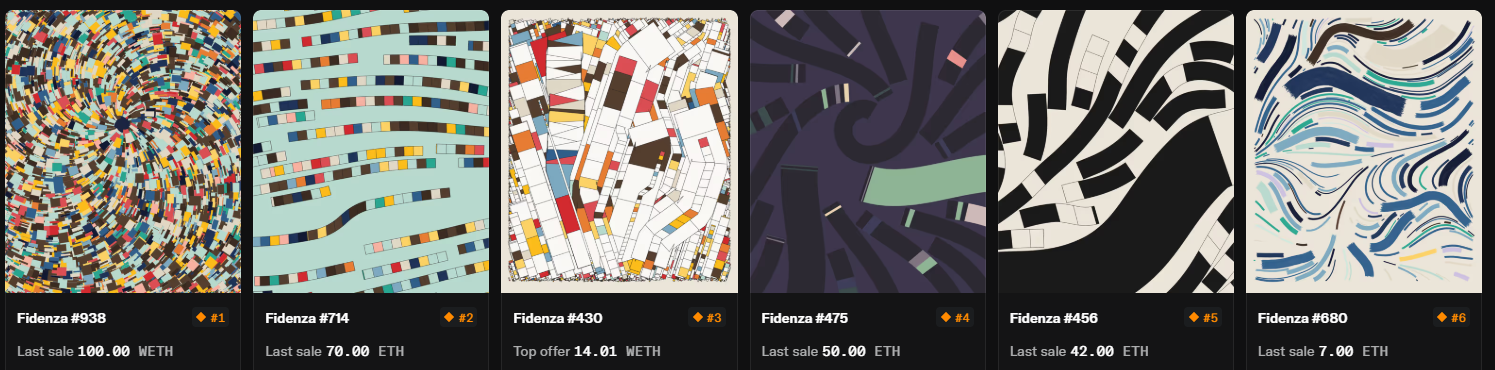
Source: Opensea.io Fidenza by Tyler Hobbs
Beeple: the mainstream moment
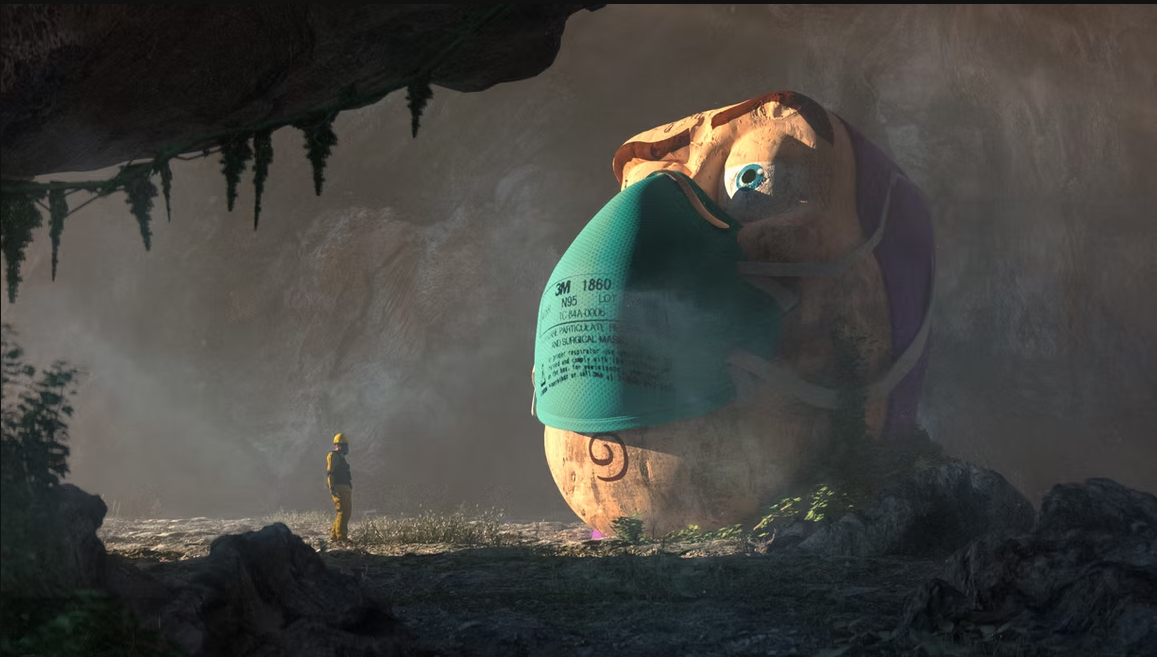
Beeple gave NFT art its mainstream moment. His record-breaking sale in 2021 made the world pay attention to digital art in a way it never had before. For many people outside crypto, Beeple was the first time they heard that a purely digital artwork could sell for traditional fine art prices, but the more interesting part is what happened after the headline. Beeple continued building around digital art as an experience. His work sits at the intersection of internet culture, politics, humour, technology and spectacle.
He also helped prove that digital artists could build global audiences without following the traditional gallery path first, that is an important shift. For decades, the art world was filtered through galleries, auction houses, curators and institutions. Digital art changed the distribution model. NFTs added ownership and provenance, and Beeple represents that bridge. A digital creator who became a serious art-market figure because the internet gave him scale, and NFTs gave collectors a way to own the work.
Raoul Pal’s bigger view
Macro investor Raoul Pal has been one of the most vocal advocates for NFTs as a cultural asset class. His broader thesis is that NFTs are far more than digital images, they represent a new ownership layer for digital culture, community, identity and intellectual property. That idea extends well beyond any single collection, suggesting NFTs could eventually underpin everything from art and collectibles to memberships, gaming, media, creator communities and brand ecosystems.
Whether that vision ultimately materialises at scale remains to be seen, but it helps explain why many collectors have stayed engaged long after the speculative bubble burst. Rather than focusing solely on today's floor prices, they are investing in what digital ownership could ultimately become.
Why this matters in the AI era
Another reason digital art may become increasingly important is the rise of AI. As AI-generated content becomes effortless to produce, questions of provenance and authenticity become far more valuable. Who created this work? Was it made by a recognised artist? When was it minted? Is it part of an authenticated collection? Can ownership be verified? In a world saturated with an endless supply of digital images, scarcity and authenticity may become more valuable, not less.
While NFTs are not a perfect solution, they provide a compelling framework for establishing the origin, ownership history and provenance of digital works. That is where the long-term case for digital art becomes truly interesting: not as a speculative trend, but as the infrastructure underpinning digital culture.
The future may look quieter
The first NFT boom was loud, driven by speculation and constant mint announcements. The next phase is likely to be much quieter, shaped instead by digital collectibles, trading cards, games, virtual galleries and culturally significant artists building lasting value over time. The popularity of Pokémon and sports cards demonstrates how NFTs can connect with markets people already understand, while projects like Pudgy Penguins show how a profile-picture collection can evolve into a broader entertainment and consumer brand. Artists such as XCOPY, Tyler Hobbs and Beeple, along with Art Blocks, also demonstrate that digital art did not disappear when speculation faded, it simply entered a more mature phase. Perhaps that is the real lesson of the NFT crash: the market did not need more hype; it needed stronger reasons to exist. Slowly but steadily, that is exactly what the surviving corners of the NFT ecosystem are trying to prove.
The bottom line
NFTs may never return to the same level of frenzy seen in 2021, but that does not mean the underlying idea has failed. The first cycle was driven by attention, while the next may be defined by ownership: ownership of collectibles, digital art, character brands and cultural assets, as well as the digital experiences and communities that hold real-world meaning. That is the fundamental shift.
NFTs are becoming less about buying a JPEG and hoping the floor price rises, and more about answering a broader question: what does collecting look like when culture itself is digital? We are still in the early stages of that transition, but one thing seems increasingly clear. The next NFT market is unlikely to resemble the one that came before.
Work Cited
Axios, “Pudgy Penguins expands Walmart ties to 3,100 stores”
CoinMarketCap Academy, “Pudgy Penguins Expands Partnership with Walmart After Selling $10M Worth of Toys”
Art Blocks, “Generative digital art”
Art Blocks, “True On-Chain Artwork: A Four-Year Journey”
Christie’s, “Beeple’s Purely Digital NFT-Based Work of Art Achieves $69.3 Million at Christie’s”
The Art Newspaper, “Beeple NFT work sells for $69.3m at Christie’s”
Curated, “Collecting the artist: XCOPY”
Barrington, S., “The Role of Metadata in Non-Fungible Tokens: Marketplace Analysis and Collection Organization”
DISCLAIMER: The information provided in this article is for general informational and educational purposes only. It does not constitute financial, investment, legal or tax advice, and should not be relied upon as a recommendation to buy, sell or hold any digital asset, NFT, collectible or related product.
Digital assets, NFTs and digital collectibles are highly speculative and can be volatile. Prices may rise or fall significantly, and some assets may become illiquid or lose all value. Past performance is not a reliable indicator of future performance.
Before making any financial decision, consider your own objectives, financial situation and needs, and seek independent professional advice where appropriate.


