

Could You Tell? Deepfakes, AI and the New Crypto Scam Playbook
Scams used to be easier to spot… The website looked rough, the message felt off, the pitch was obvious. Now, artificial intelligence is changing that. Scamwatch warns that scammers are using AI-generated ads, fake news articles, deepfake videos and polished trading platforms to make investment scams look far more believable. That matters in crypto, where urgency, trust and fast-moving decisions are already part of the scam playbook.
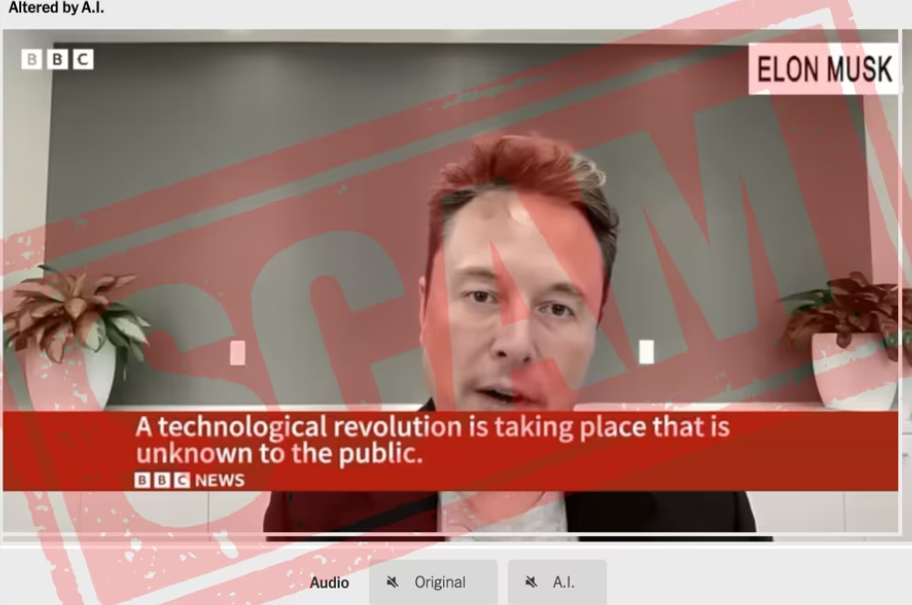
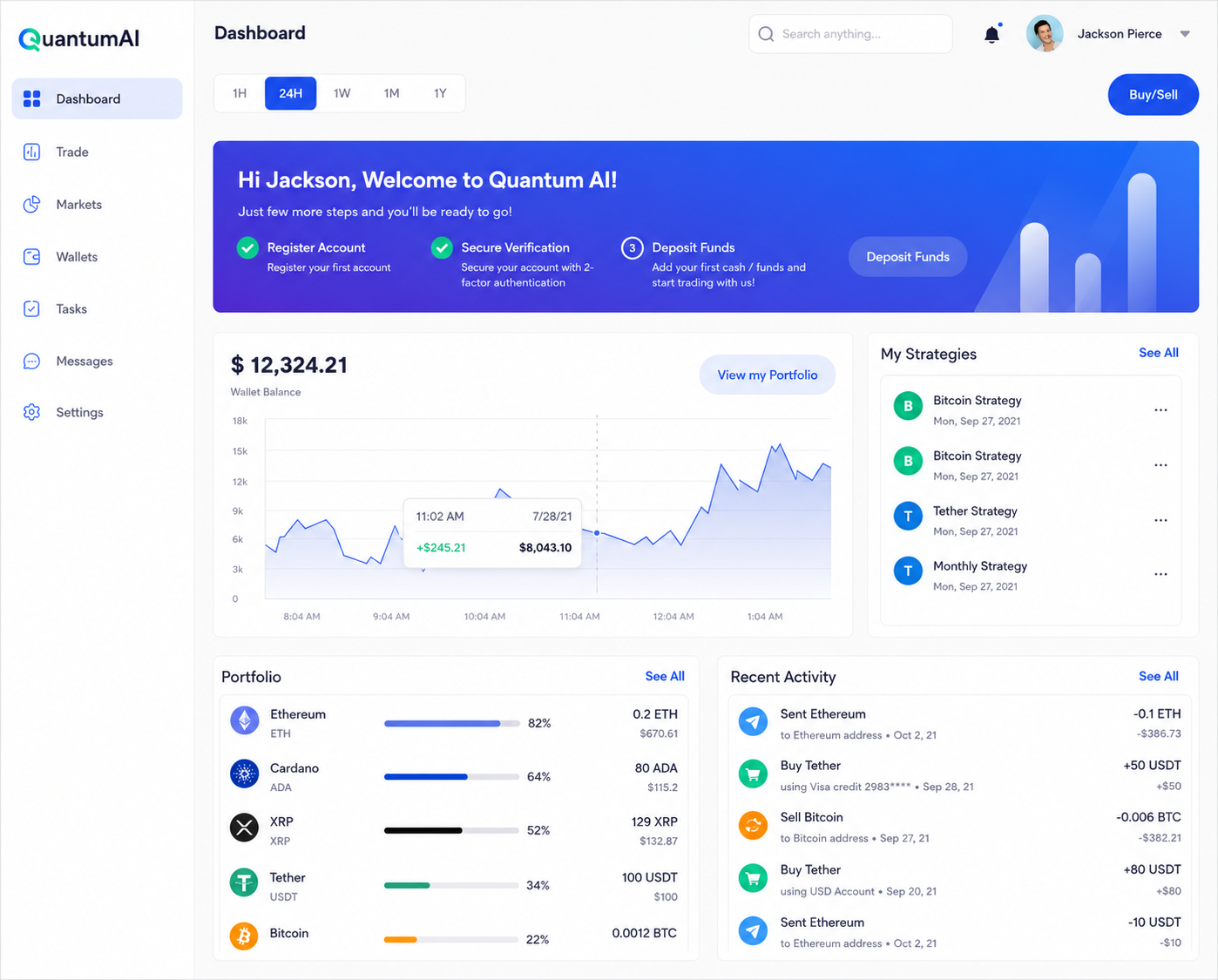
The ACCC’s National Anti-Scam Centre reports that Australians are losing millions to online trading platforms misusing celebrity images and deepfake-style videos to promote bogus investments. In one case, an Australian man lost $80,000 in cryptocurrency after seeing a deepfake Elon Musk video interview on social media, clicking the link, signing up, and watching a fake dashboard show “huge returns” before he was locked out when he tried to withdraw.
Source: google images
What is a deepfake?
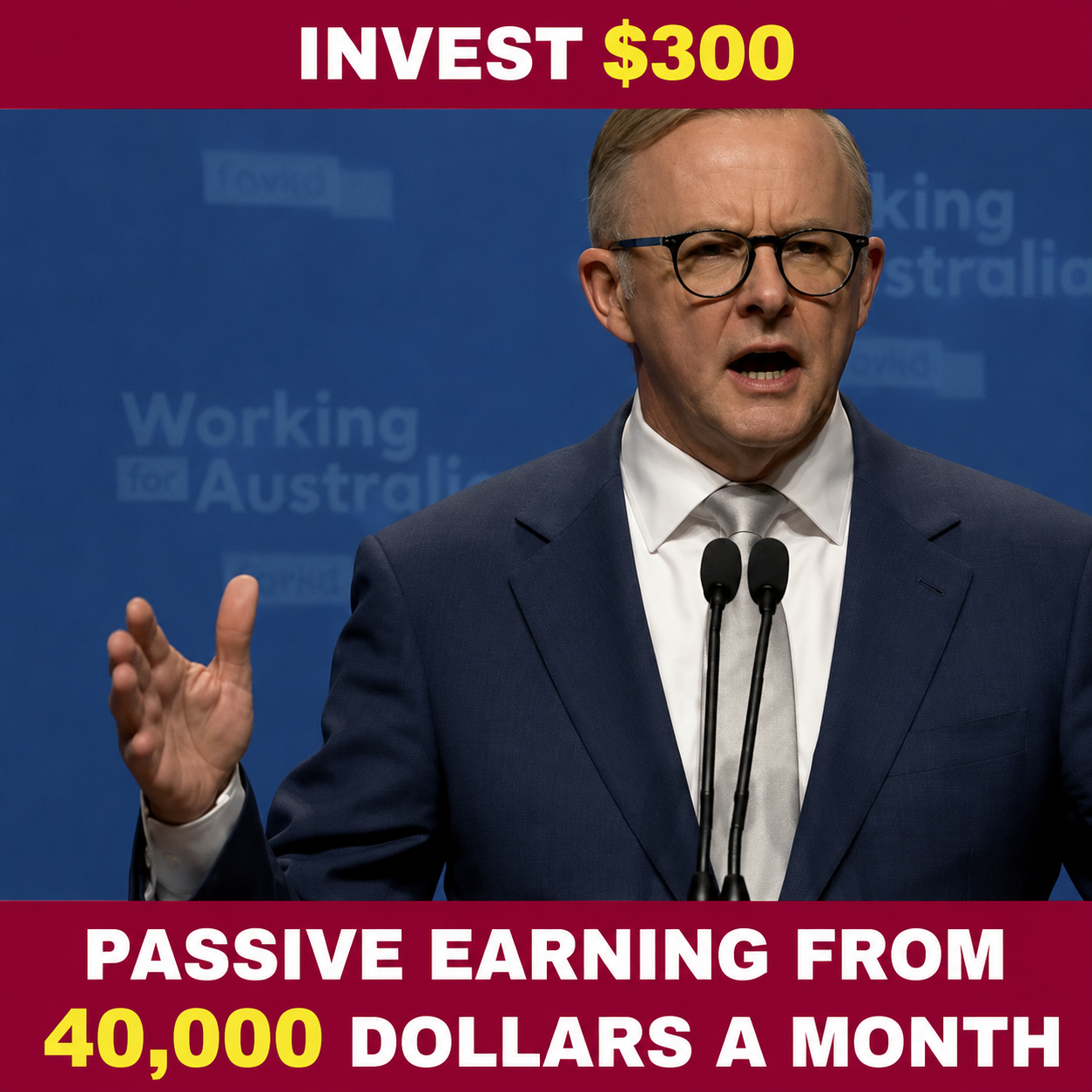
A deepfake is AI-generated or AI-manipulated content designed to look or sound real. That could be a fake celebrity endorsement, a cloned voice, a realistic video, or even a fake screen recording showing profits on a trading platform. According to Scamwatch deepfake videos of celebrities and public figures are increasingly being used to promote fake investment schemes online.
Source: google images
Why this is dangerous for crypto users?
Crypto scams already rely on pressure, excitement and trust. AI makes all three more convincing.
Instead of a low-effort scam ad, you might see a polished video of a public figure appearing to endorse an investment platform. Instead of a generic cold call, you might hear a familiar voice asking for urgent help. Instead of a fake-looking website, you might land on a slick platform with dashboards, charts and a fake account balance that looks legitimate. According to Scamwatch scammers often use social media ads, fake celebrity content, professional-looking websites and fake profit dashboards to convince people to deposit funds and then invest more.
Source: Fake dashboard google images
Can you actually tell if it is fake?
Sometimes, but not always. That is the real problem.
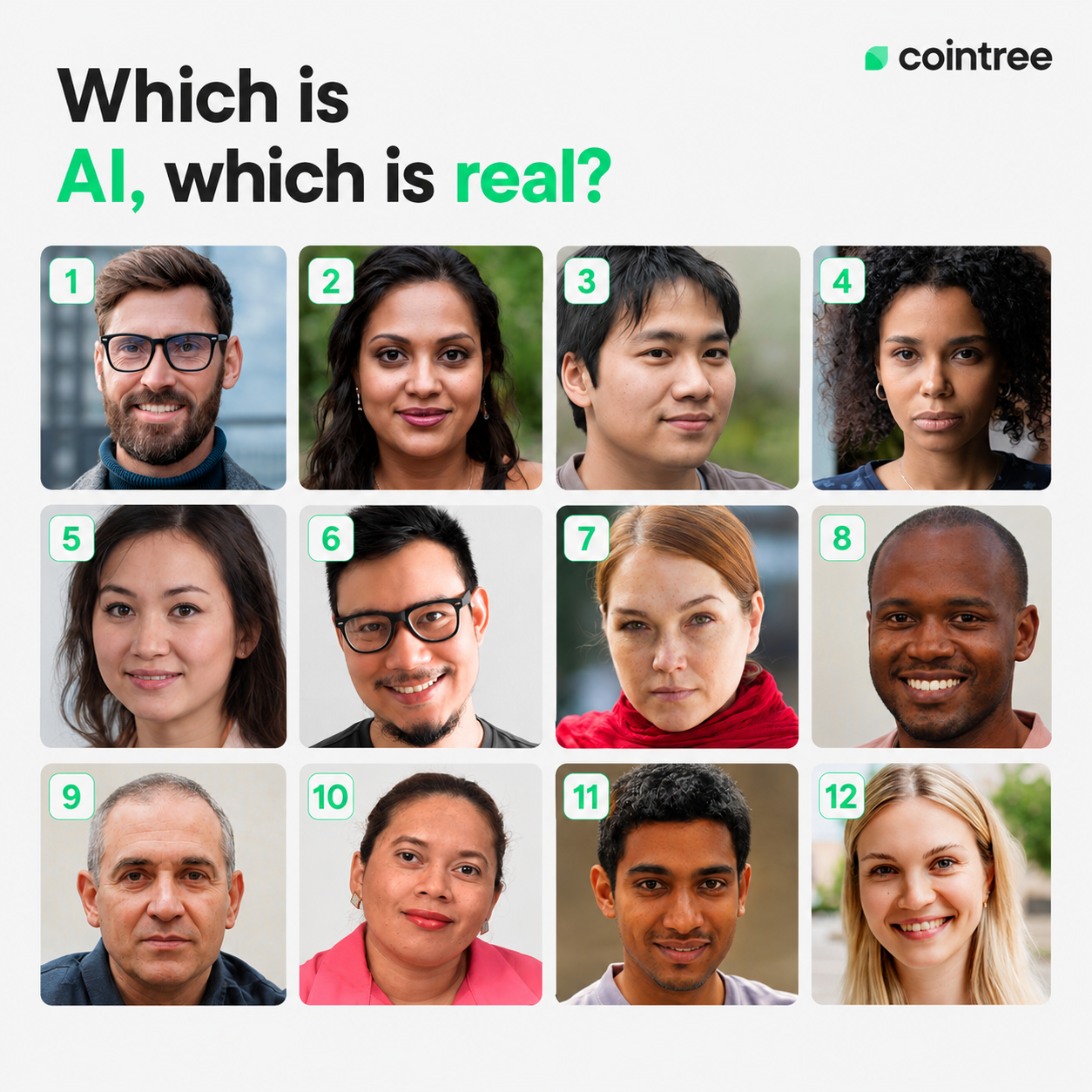
Six are real, six are AI generated. Answers at the end.
Source: unsw.edu.au
A lot of people still think the defence is spotting visual glitches or awkward audio. Sometimes those signs are there. But the stronger defence is not trying to outsmart the technology. It is learning to verify the request.
If a video is telling you to act fast, if a caller is pushing urgency, if an “account manager” wants a deposit before you have done your checks, or if a platform shows profits but makes withdrawals difficult, those are the red flags that matter most. Scamwatch says scammers pressure people to act quickly, show fake returns, and often ask for more money when victims try to withdraw.
What these scams usually look like
A common version starts with a social media post, ad or article. It features a celebrity, public figure or financial expert who appears to be promoting a platform. You click through to a sign-up page. Soon after, someone contacts you and encourages a small starting deposit. The platform then shows what looks like steady growth. But when you try to withdraw, the excuses begin: more verification, more fees, more tax, more delays. Scamwatch describes this exact pattern in its alert on fake celebrity investment scams.

Source: google images
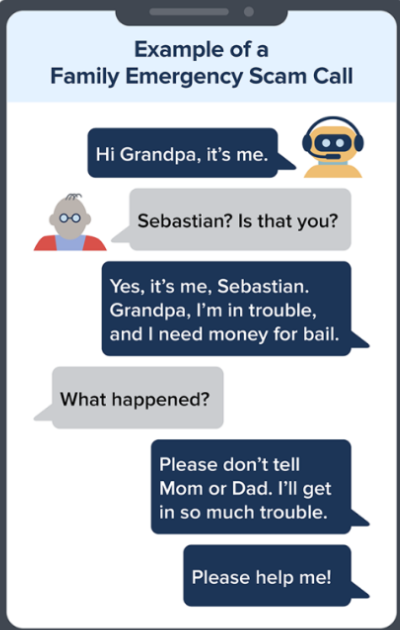
Another version is voice cloning. The FTC (Federal Trade Commission) says a scammer can use a short audio clip posted online to clone someone’s voice and make a fake emergency call sound real. That is why hearing a familiar voice is no longer enough on its own.
Source: www.scamwatch.gov.au
How to stay safe
The best question is no longer, “Does this look real?” It is, “How do I verify this before I act?”
That means slowing down and checking independently. Go to the official website yourself instead of clicking the link in the ad. Look up the business separately. Be cautious with anyone promising guaranteed returns. Never send crypto, transfer money or share sensitive details just because a video, voice note or dashboard looks convincing. Scamwatch and the FTC both recommend independent verification and caution when a request is urgent, emotional or unexpected.
A simple set of rules for the AI era:
Do not trust a face just because it looks real.
Do not trust a voice just because it sounds familiar.
Do not trust a platform just because it looks professional.
Trust the checks you do before you act, that is what keeps people safe.
Think before you trust.
*Answers: 2, 3, 5, 8, 9, 11 are all AI-generated faces*


