

How Can Elon Musk Lose Billions and Still Be No.1?

Imagine waking up, checking your finances and discovering you’re down US$10 billion. Bad morning. For the world’s richest people, though, numbers like that can appear beside their names surprisingly often.
Forbes’ Real-Time Billionaires list tracks the changing fortunes of the world’s wealthiest people. Alongside their estimated net worth, you’ll often see another eye-watering number showing how much they’ve gained or lost, and it moves quickly.
Forbes updates the value of publicly traded holdings every five minutes while markets are open, with stock prices subject to a short delay.
So someone can theoretically “lose” billions before lunch, yet they might still be the richest person on Earth.
Here are today's so-called winners and losers.
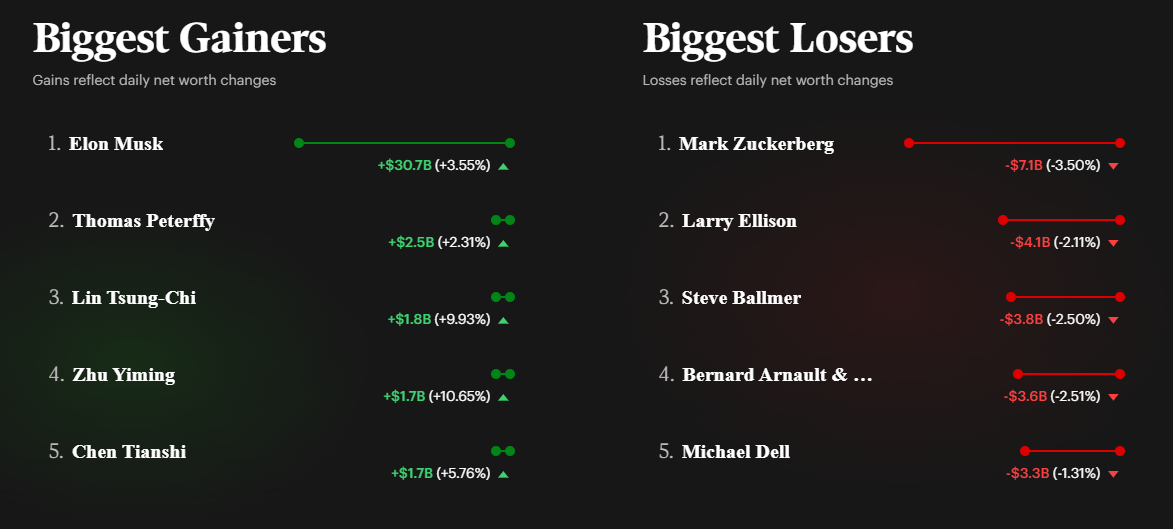
Losing billions without spending a cent
The first thing to understand is that billionaire wealth isn’t a giant pile of cash sitting in a bank account, much of it is tied to assets such as shares in companies. If those companies fall in value, the estimated net worth of the person holding them falls too.
Take a hypothetical billionaire worth US$700 billion.
A 2% decline in their fortune works out to roughly US$14 billion.
That makes for an incredible headline:
BILLIONAIRE LOSES $14 BILLION IN ONE DAY.
But another headline could describe exactly the same event:
BILLIONAIRE'S FORTUNE FALLS 2%.
Suddenly it sounds a little different.
This isn't just theory. Forbes' August 2026 ranking still placed Elon Musk as the world's richest person, with an estimated fortune of around US$894 billion, despite enormous swings in his wealth over the preceding months. The dollar figure gets the attention, the percentage gives it context.
Crypto has the same scoreboard
Open almost any crypto market page and you’ll see something similar.
Top gainers. Top losers. 24-hour change. Market cap. Rank.
A cryptocurrency might fall 8% in a day and lose billions of dollars in market value, another might jump 30%. Guess which one gets called the winner?
That doesn’t necessarily mean the 30% gainer is suddenly bigger. Bitcoin could have a red day and remain the largest cryptocurrency by market capitalisation. A much smaller token could have an enormous green day and remain a fraction of Bitcoin’s size.
Just like the billionaire list, daily performance and overall ranking measure two very different things.
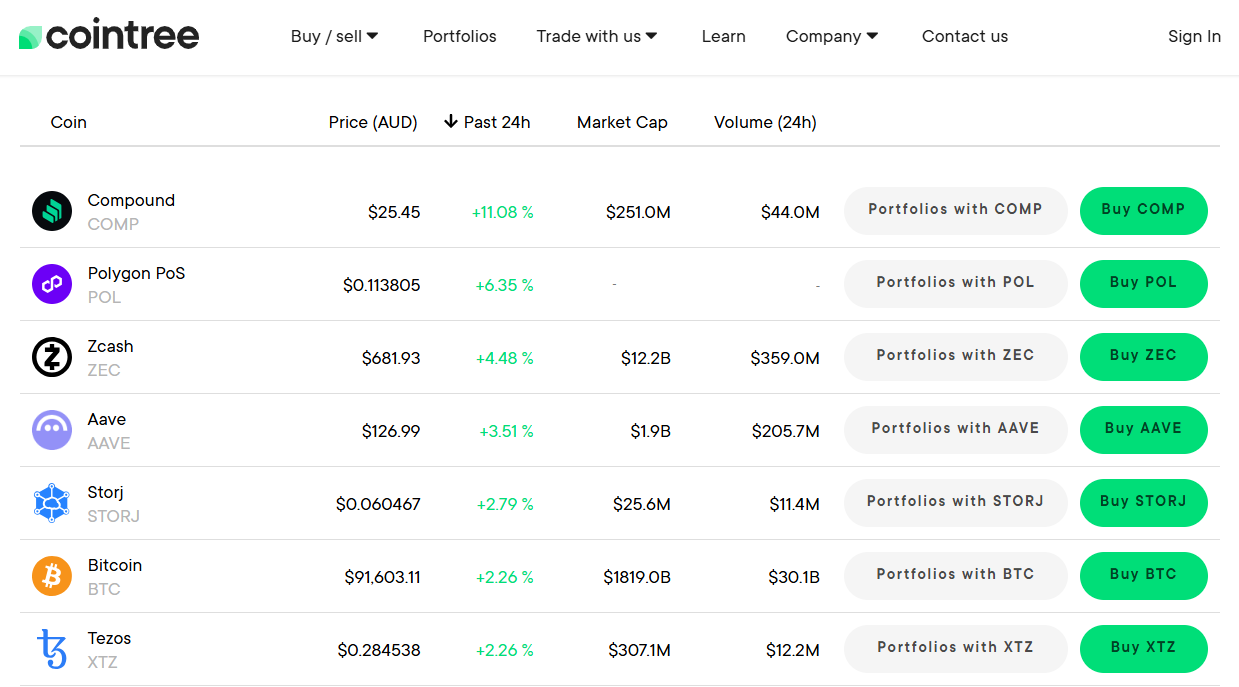
Here’s a real example.
At the time of writing, Compound (COMP) is Cointree’s top-performing coin over the past 24 hours, up around 11%. (See live pricing)
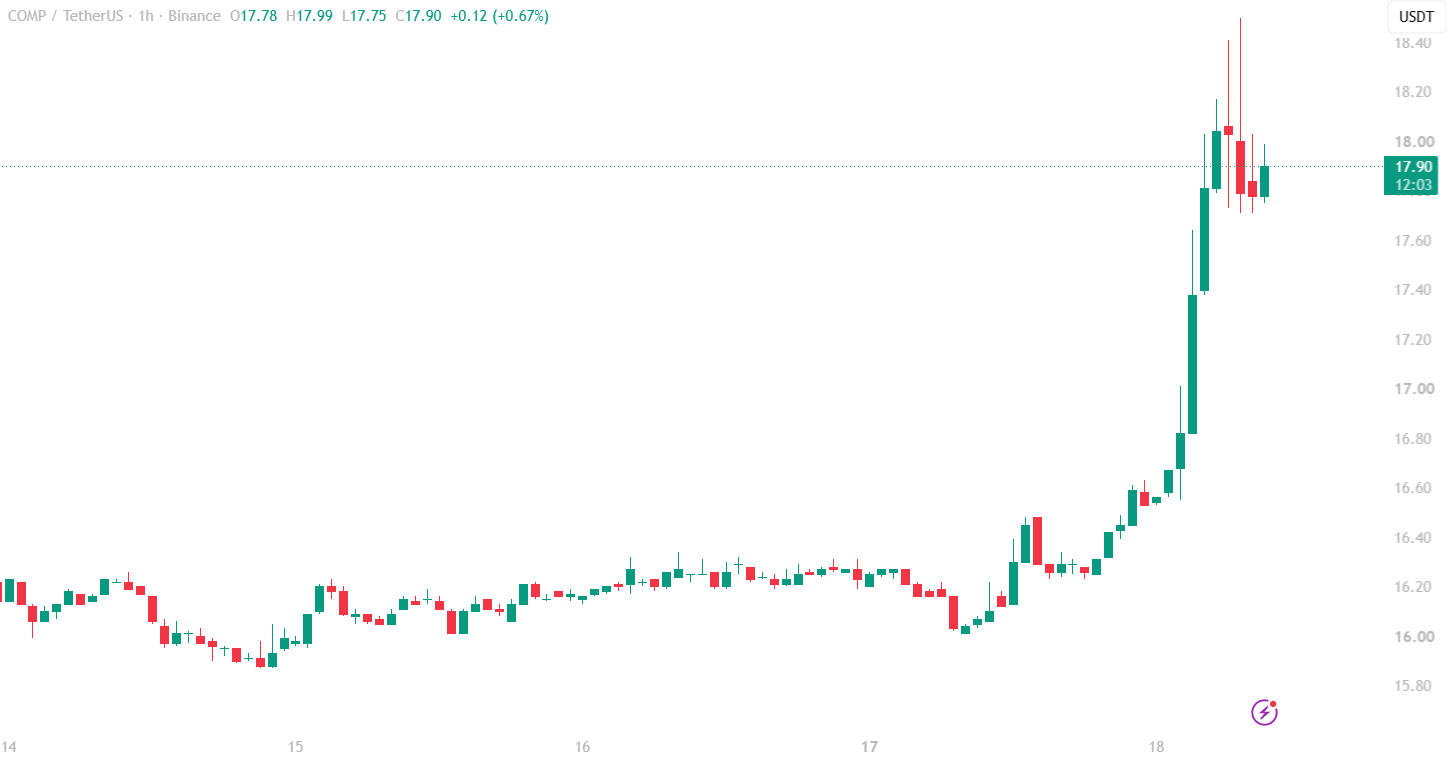
Look at the one-hour chart and it looks dramatic. COMP shoots higher in a matter of hours, but that chart is only showing a tiny slice of the story.
COMP is a much smaller asset than it was around the 2021 crypto boom. With a smaller market cap and less liquidity than the biggest cryptocurrencies, relatively small changes in buying and selling can produce larger percentage moves.
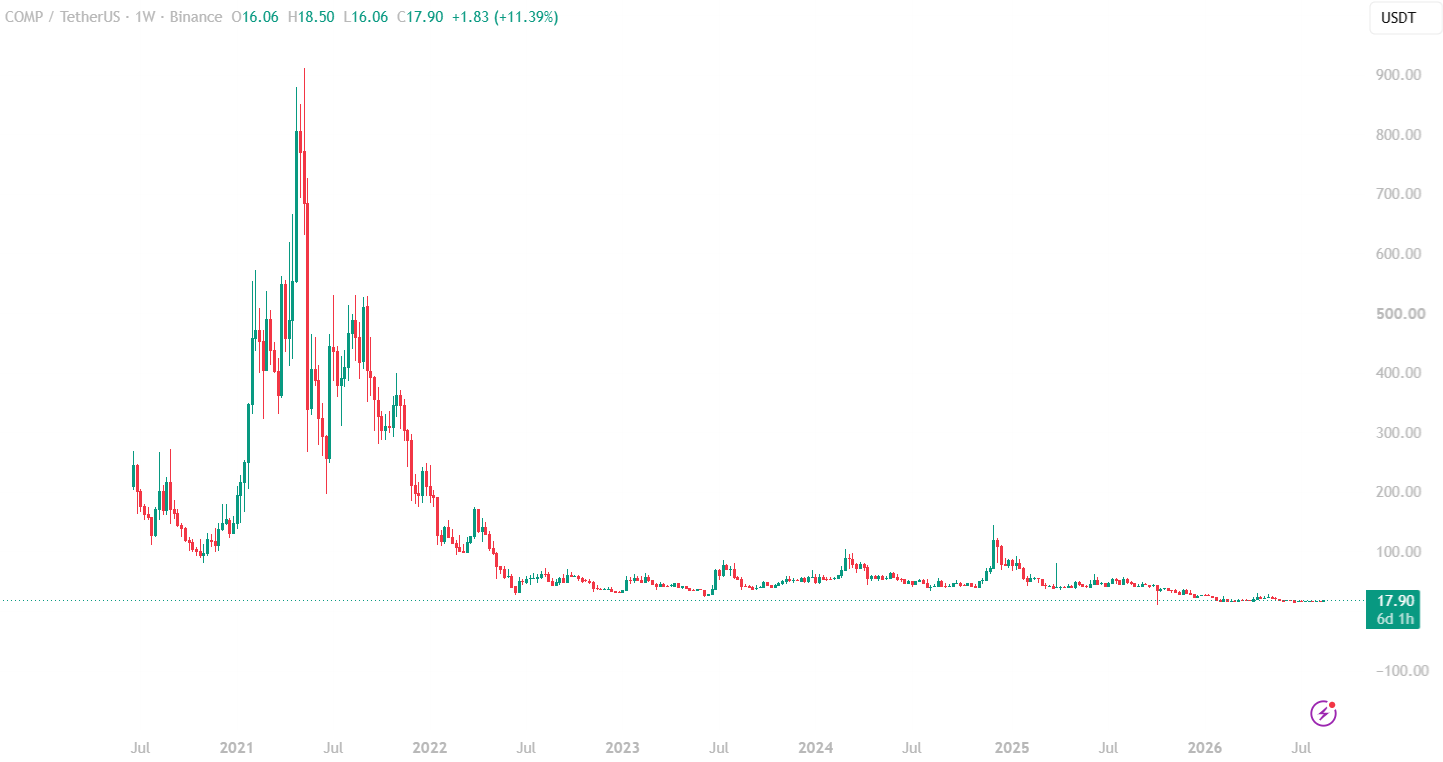
Now zoom out.
On the weekly chart, that 11% jump is barely noticeable. COMP remains far below the levels it reached during the 2021 bull market, and what looked enormous on the one-hour chart suddenly looks like a small bump in a much bigger picture.
Same coin, same price move, completely different story. That’s why timeframe matters.
Zoom in and you see the move. Zoom out and you see the context.
One number. Four very different questions.
When you see something is “down”, the number on its own doesn't tell you much.
There are a few different things hiding behind it:
How much did it move?
A US$10 billion loss sounds enormous. A 1.5% decline tells you something different.
How big was it to begin with?
Losing US$1 billion from US$700 billion is very different from losing US$1 billion from US$2 billion.
What timeframe are we looking at?
Down today, down this month and down over five years are three completely different statements.
Did anything actually change in the rankings?
The biggest loser of the day can still be number one overall.
That applies whether you’re looking at billionaires, companies, cryptocurrencies or just about any market with a leaderboard.
The richest loser in the room
There’s something slightly ridiculous about seeing someone labelled one of the day’s biggest “losers” while they’re still worth hundreds of billions of dollars, but that’s exactly why these rankings are useful. They show how easily a single number can shape the story.
“Lost US$10 billion” grabs attention.
“Down 1.4%” provides context.
And “still ranked number one” adds even more.
Crypto headlines work the same way. A giant red number might tell you what happened today. It doesn’t tell you the size of the asset, where it ranks, what happened before today or what happens next.
Red or green is the headline. Context is the story.


